
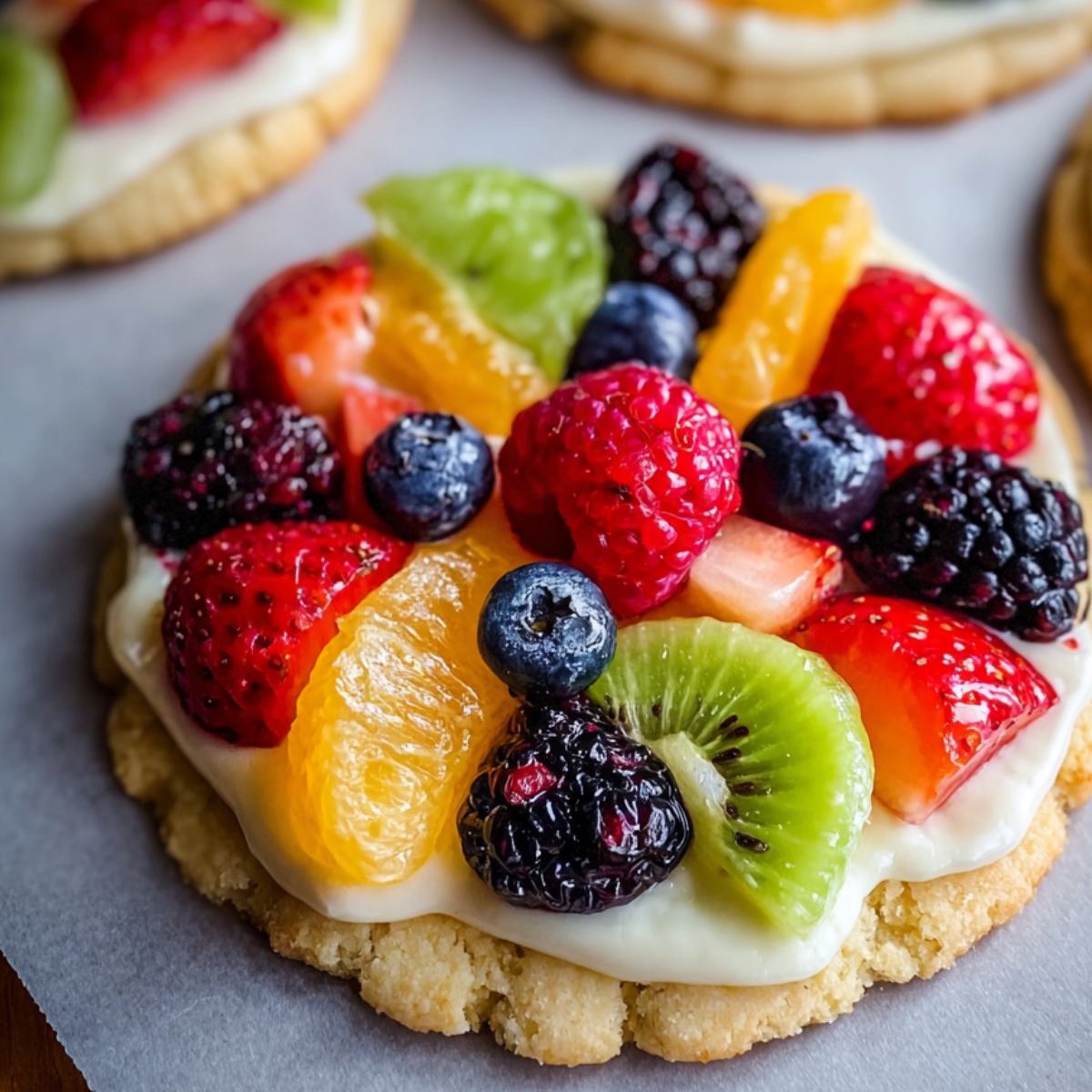
This fruit pizza sugar cookie recipe started when Oliver wanted to help make dessert for his school's summer picnic. We needed something that looked impressive but was easy enough for a 7-year-old to help with, and this became our answer. After making it dozens of times for potlucks, birthday parties, and family gatherings, I've perfected the technique for getting that cookie crust just right - crispy on the edges but still soft enough to cut easily. It's become our go-to dessert when we want something that tastes as good as it looks.

Why You'll Love This Fruit Pizza Sugar Cookie
This recipe solves every problem I've ever had with Fruit Pizza Sugar Cookie. You know how some versions have cookie crusts that are either rock-hard or fall apart when you try to cut them? This sugar cookie base comes out perfectly every time - crispy around the edges but soft enough in the middle that you can actually slice it without everything crumbling. The cream cheese frosting doesn't get runny or slide off like some recipes do, and it's sweet enough to complement the fruit without being overwhelming. Oliver loves arranging the fruit in patterns, and I love that it looks like I spent hours on it when really it's pretty simple.
What makes this dessert truly special is how it brings people together. Every time I make this Fruit Pizza Sugar Cookie for a party, people gather around asking for the recipe and taking pictures. It's one of those desserts that looks so professional that everyone assumes it's complicated, but honestly, if Oliver can help make it, anyone can. The best part is how customizable it is - we use whatever fruit looks good at the store, arrange it however we feel like that day, and it always turns out beautiful. Whether it's strawberries and blueberries for the Fourth of July or tropical fruits for summer parties, this recipe works with everything and always gets compliments.
Jump to:
- Why You'll Love This Fruit Pizza Sugar Cookie
- Ingredients For Fruit Pizza Sugar Cookie
- How To Make Fruit Pizza Sugar Cookie Step By Step
- Substitutions
- Storage Tips
- Equipment For Fruit Pizza Sugar Cookie
- Creative Fruit Pizza Sugar Cookie Variations
- Top Tip
- What is Fruit Pizza Sugar Cookie
- FAQ
- Sweet Success Every Time!
- Related
- Pairing
- Fruit Pizza Sugar Cookie
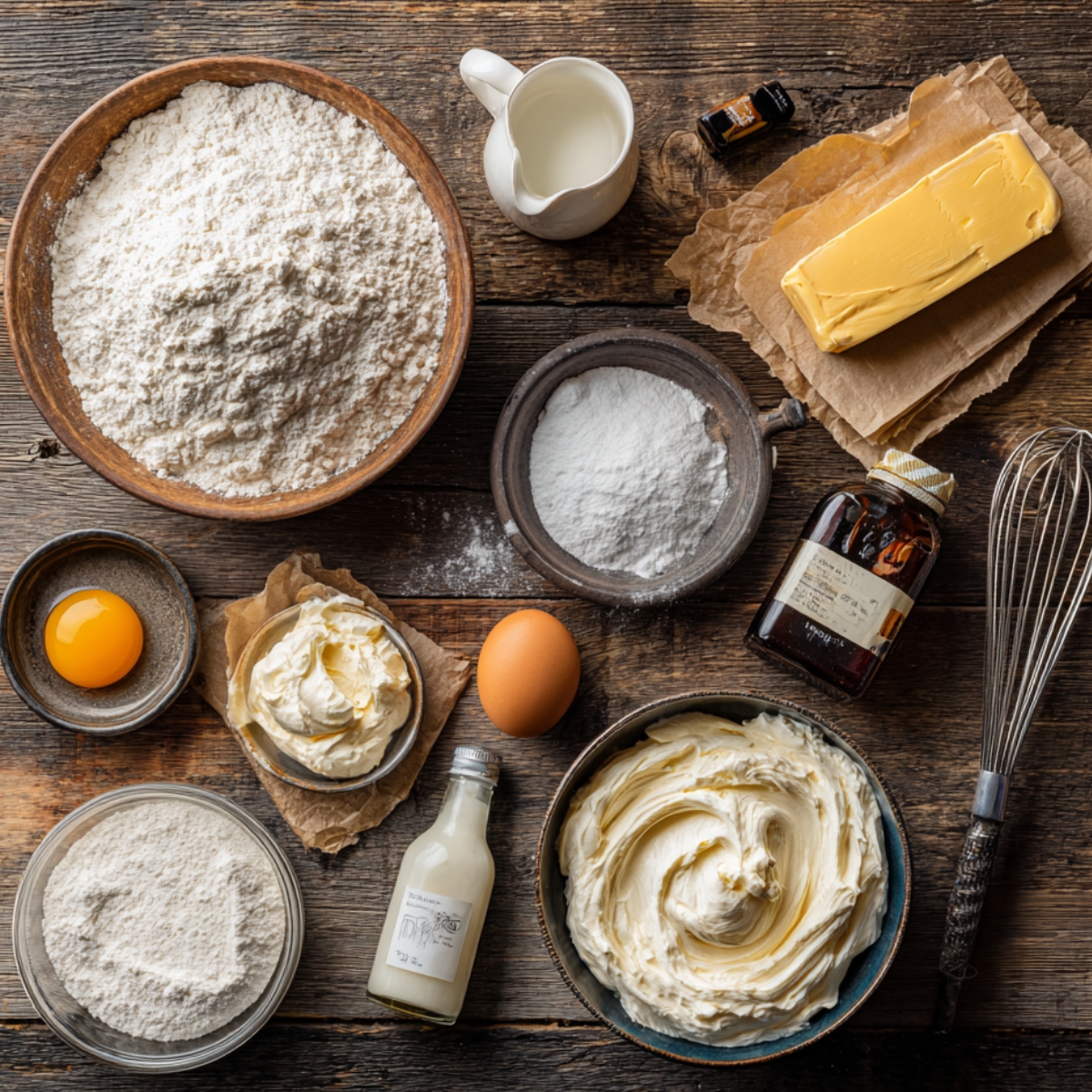
Ingredients For Fruit Pizza Sugar Cookie
Sugar Cookie Base:
- All-purpose flour
- Butter (room temperature)
- Powdered sugar
- Large egg
- Vanilla extract
- Baking powder
- Salt
Cream Cheese Frosting:
- Cream cheese (room temperature)
- Powdered sugar
- Vanilla extract
- Heavy cream
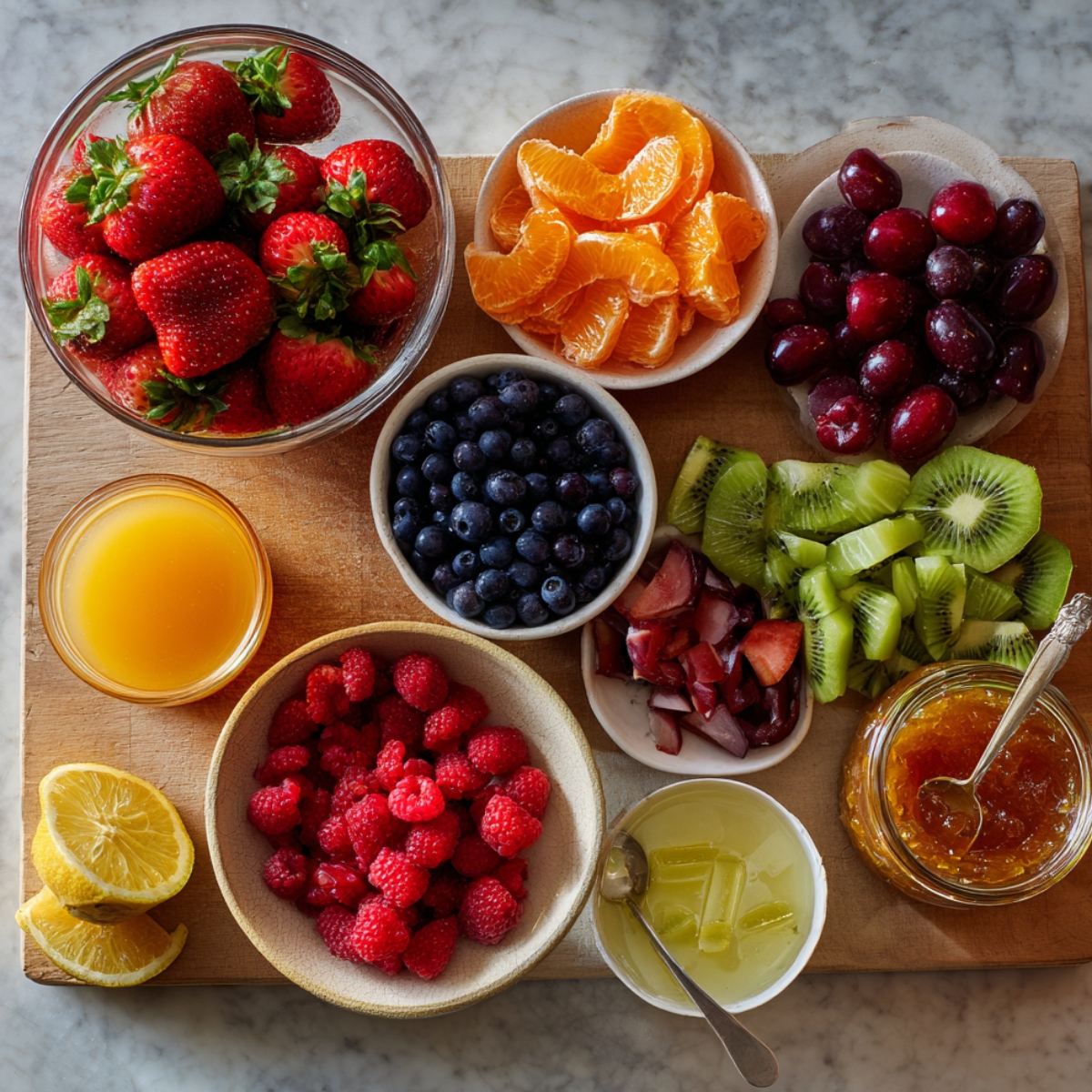
Fresh Fruit Toppings:
- Strawberries
- Blueberries
- Kiwi
- Mandarin oranges
- Grapes
- Raspberries
Optional Glaze:
- Apricot jam
- Water
- Lemon juice
See recipe card for quantities.
How To Make Fruit Pizza Sugar Cookie Step By Step
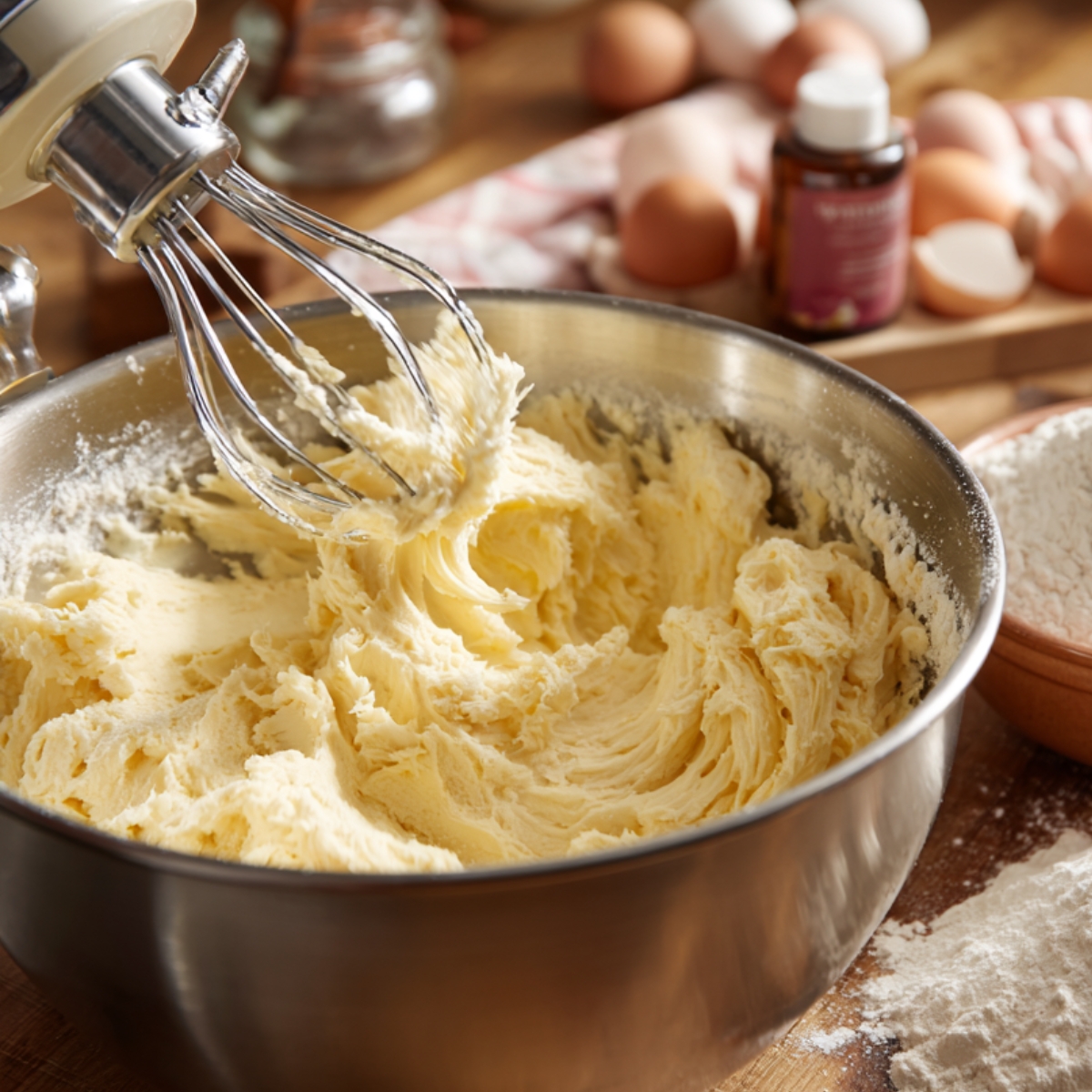
Make the Dough:
- Cream butter and powdered sugar
- Beat in egg and vanilla
- Mix in dry ingredients
- Don't overmix
Press and Bake:
- Press dough into pizza pan
- Even thickness throughout
- Bake at 350°F
- Cool completely
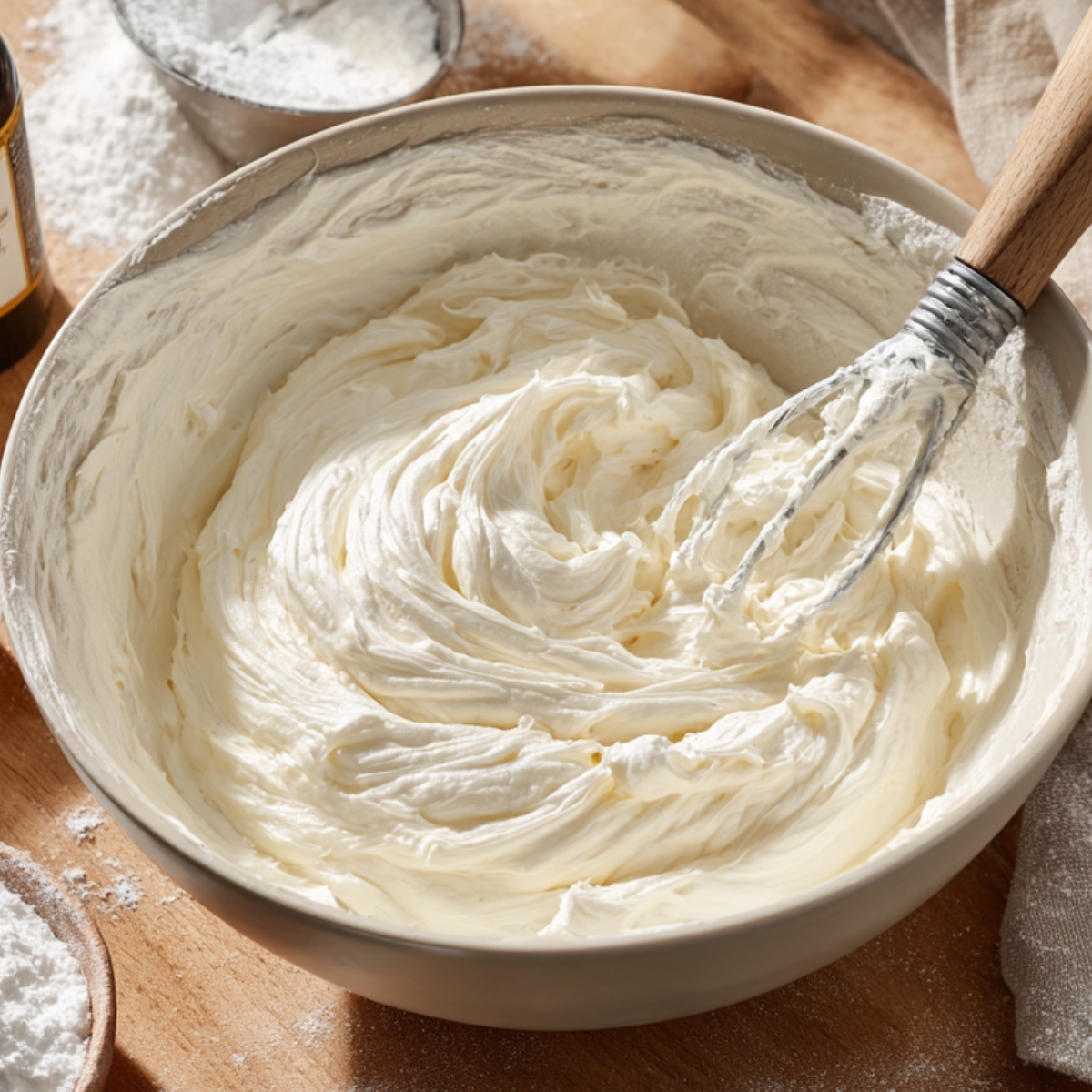
Cream Cheese Mix:
- Beat cream cheese until smooth
- Add powdered sugar gradually
- Mix in vanilla
- Spread on cooled cookie
Prep Fruit:
- Wash and dry all fruit
- Slice strawberries thin
- Pat everything dry
- Arrange in patterns
Final Touch:
- Start from outside edge
- Work toward center
- Brush with glaze if desired
- Chill before serving
Substitutions
Having made this for various dietary needs and ingredient shortages, here's what actually works:
Cookie Base Options:
- Pillsbury sugar cookie dough → Homemade dough
- All-purpose flour → Gluten-free flour blend
- Butter → Coconut oil (solid)
- Powdered sugar → Regular sugar (blend until fine)
Frosting Alternatives:
- Cream cheese → Greek yogurt
- Heavy cream → Milk
- Powdered sugar → Honey (reduce liquid)
- Vanilla → Almond extract
Fruit Variations:
- Fresh fruit → Canned (drain well)
- Summer berries → Winter citrus
- Traditional → Tropical fruits
- Regular → Sugar-free options
Storage Tips
Same Day Storage:
- Keep refrigerated until serving
- Cover loosely with plastic wrap
- Best eaten within 4-6 hours
- Don't leave out more than 2 hours
Make-Ahead Tips:
- Bake cookie base day before
- Store covered at room temperature
- Add frosting and fruit day of serving
- Assemble no more than 4 hours ahead
Leftover Storage:
- Refrigerate covered up to 2 days
- Fruit may release some juice
- Cookie base stays fresh
- Cut pieces store better than whole pizza
Transport Tips:
- Use sturdy cardboard under pan
- Cover with foil tent (don't touch fruit)
- Keep level during transport
- Bring serving utensils
Equipment For Fruit Pizza Sugar Cookie
- 12-14 inch pizza pan or large cookie sheet
- Electric mixer
- Large mixing bowls
- Measuring cups and spoons
- Offset spatula for spreading
- Sharp knife for fruit prep
Creative Fruit Pizza Sugar Cookie Variations
From years of making this for different seasons and celebrations, these variations are always crowd-pleasers:
Holiday Themes:
- 4th of July: strawberries and blueberries in flag pattern
- Christmas: kiwi, strawberries, and white chocolate drizzle
- Halloween: orange fruits with chocolate chips
- Spring: pastel fruits in Easter egg shapes
Tropical Paradise:
- Pineapple chunks
- Mango slices
- Coconut flakes
- Kiwi stars
Chocolate Lover's:
- Chocolate chip cookie base
- Chocolate cream cheese frosting
- Fresh berries
- Mini chocolate chips
Mini Individual Pizzas:
- Use muffin tin for personal sizes
- Perfect for parties
- Kids love their own pizza
- Easy portion control
Top Tip
- For same-day storage, your refrigerator is going to be your best friend with this fruit pizza sugar cookie. Keep it covered loosely with plastic wrap so the fruit doesn't dry out, but make sure the wrap doesn't actually touch the fruit or it'll get mushy. The dessert tastes best when eaten within 4 to 6 hours of assembly, and you definitely don't want to leave it sitting out at room temperature for more than 2 hours.
- If you're planning to make this ahead for a party, here's the strategy that works best: bake your cookie base the day before and store it covered at room temperature. It actually stays crispier this way than if you refrigerate it. Then add your cream cheese frosting and arrange your fruit on the day you're serving it, but no more than 4 hours before the event. This timing gives you the perfect balance of convenience and freshness, and the cookie base won't get soggy from the frosting.
- When it comes to storing leftovers, this sugar cookie fruit pizza will keep in the refrigerator for up to 2 days, though the fruit might release some juice and make things a bit messier. The cookie base usually stays pretty fresh, but you'll want to cut it into individual pieces rather than trying to store the whole pizza.
What is Fruit Pizza Sugar Cookie
A fruit pizza sugar cookie is basically a giant sugar cookie that's baked flat like a pizza crust, then topped with a sweet cream cheese frosting and arranged with colorful fresh fruit. Think of it as a dessert pizza where the "crust" is a soft, chewy sugar cookie, the "sauce" is sweetened cream cheese, and the "toppings" are beautiful fresh berries, kiwi, grapes, and whatever other fruit looks good. It's not pizza at all - it just looks like one because of how it's shaped and decorated.
The genius of this dessert is that it combines three things everyone loves: cookies, cream cheese frosting, and fresh fruit. The Fruit Pizza Sugar Cookie base gives you that sweet, buttery flavor that pairs perfectly with the tangy cream cheese layer, while the fruit adds freshness and makes the whole thing feel a little less guilty than eating straight cookies. Oliver always explains it to his friends as "dessert that looks like pizza but tastes like the best cookie ever," which is probably the most accurate description I've heard. It's become our go-to dessert for summer gatherings because it looks impressive, feeds a crowd, and you can customize it with whatever fruit is in season or on sale.
FAQ
Can you use sugar cookie dough for fruit pizza?
Yes, Fruit Pizza Sugar Cookie dough works perfectly for fruit pizza! Both store-bought and homemade dough create that ideal sweet, sturdy base. Just press it thinner than normal cookie thickness so it bakes evenly and doesn't end up too thick under all the toppings.
What fruit goes on a fruit pizza?
Almost any fresh fruit works on fruit pizza! Popular choices include strawberries, blueberries, kiwi, grapes, and mandarin oranges. Choose fruits that hold their shape and won't release too much juice. Avoid very watery fruits like watermelon that can make the crust soggy.
Can I make a fruit pizza the night before?
It's best to assemble Fruit Pizza Sugar Cookie the same day you're serving it. You can bake the sugar cookie base the night before and store it covered, but add the cream cheese frosting and fruit no more than 4-6 hours before serving to prevent sogginess.
What is the secret to a good sugar cookie?
The secret is using room temperature butter and not overmixing the dough. Cream the butter and sugar well, then mix in other ingredients just until combined. This creates a tender cookie that's sturdy enough to hold toppings but won't be tough or hard.
Sweet Success Every Time!
After all these years of making this dessert with Oliver, I can honestly say it's taught us both so much about patience and creativity in the kitchen. Oliver has gone from needing help washing berries to being able to arrange fruit in beautiful patterns that honestly look better than anything I could do. There's something magical about watching his face light up when people compliment "his" fruit pizza at parties. Some of my favorite kitchen memories have been made standing side by side, carefully placing each piece of fruit and talking about colors, patterns, and which combinations taste best together.
Looking for more crowd-pleasing favorites that bring families together? Try our The Perfect Banana Bread Recipe that fills the house with amazing smells and uses up those overripe bananas perfectly. For hearty comfort food that feeds a crowd, our The Best Shepherds Pie Recipe delivers all the cozy flavors everyone craves. And when you want something bright and fresh for spring and summer gatherings, our Easy Moist Lemon Blueberry Cake brings sunshine to any table!
Share your Fruit Pizza Sugar Cookie creations! We love seeing your creative fruit arrangements and hearing about your own family dessert traditions!
⭐️⭐️⭐️⭐️⭐️ Rate this Fruit Pizza Sugar Cookie and join our dessert-loving community!
Related
Looking for other recipes like this? Try these:



Pairing
These are my favorite dishes to serve with Fruit Pizza Sugar Cookie



Fruit Pizza Sugar Cookie
Equipment
- 12-14 inch pizza pan (or large cookie sheet)
- Electric mixer (hand or stand mixer)
- Large mixing bowls (for dough and frosting)
- Measuring cups/spoons
- Offset spatula (or butter knife)
- Sharp knife (for slicing fruit)
Ingredients
Sugar Cookie Base:
- 2 ½ cups All-purpose flour
- 1 cup Butter - Room temperature
- ¾ cup Powdered sugar
- 1 Large egg
- 1 teaspoon Vanilla extract
- 1 teaspoon Baking powder
- ¼ teaspoon Salt
Cream Cheese Frosting:
- 8 oz Cream cheese - Room temperature
- ¾ cup Powdered sugar - Add more to taste
- 1 teaspoon Vanilla extract
- 2-3 tablespoon Heavy cream - Adjust for spreadable texture
Fruit Toppings:
- ½ cup Strawberries - Thinly sliced
- ½ cup Blueberries
- 2 Kiwis - Peeled and sliced
- ½ cup Mandarin oranges - Drained if canned
- ½ cup Grapes - Halved if large
- ½ cup Raspberries
Optional Glaze:
- 2 tablespoon Apricot jam
- 1 tablespoon Water
- 1 teaspoon Lemon juice - Optional
Instructions
- Cream butter and powdered sugar until light and fluffy. Beat in egg and vanilla. Mix in flour, baking powder, and salt until just combined.

- Press dough evenly into a greased pizza pan. Bake at 350°F for 12-15 minutes until lightly golden. Let cool completely.
- Beat cream cheese until smooth. Add powdered sugar, vanilla, and heavy cream. Spread over cooled cookie crust.
- Wash, dry, and slice fruit. Arrange in decorative patterns on top of the frosting.
- (Optional) Warm jam with water and lemon juice for glaze. Brush over fruit. Chill 30 minutes before serving.



Leave a Reply