
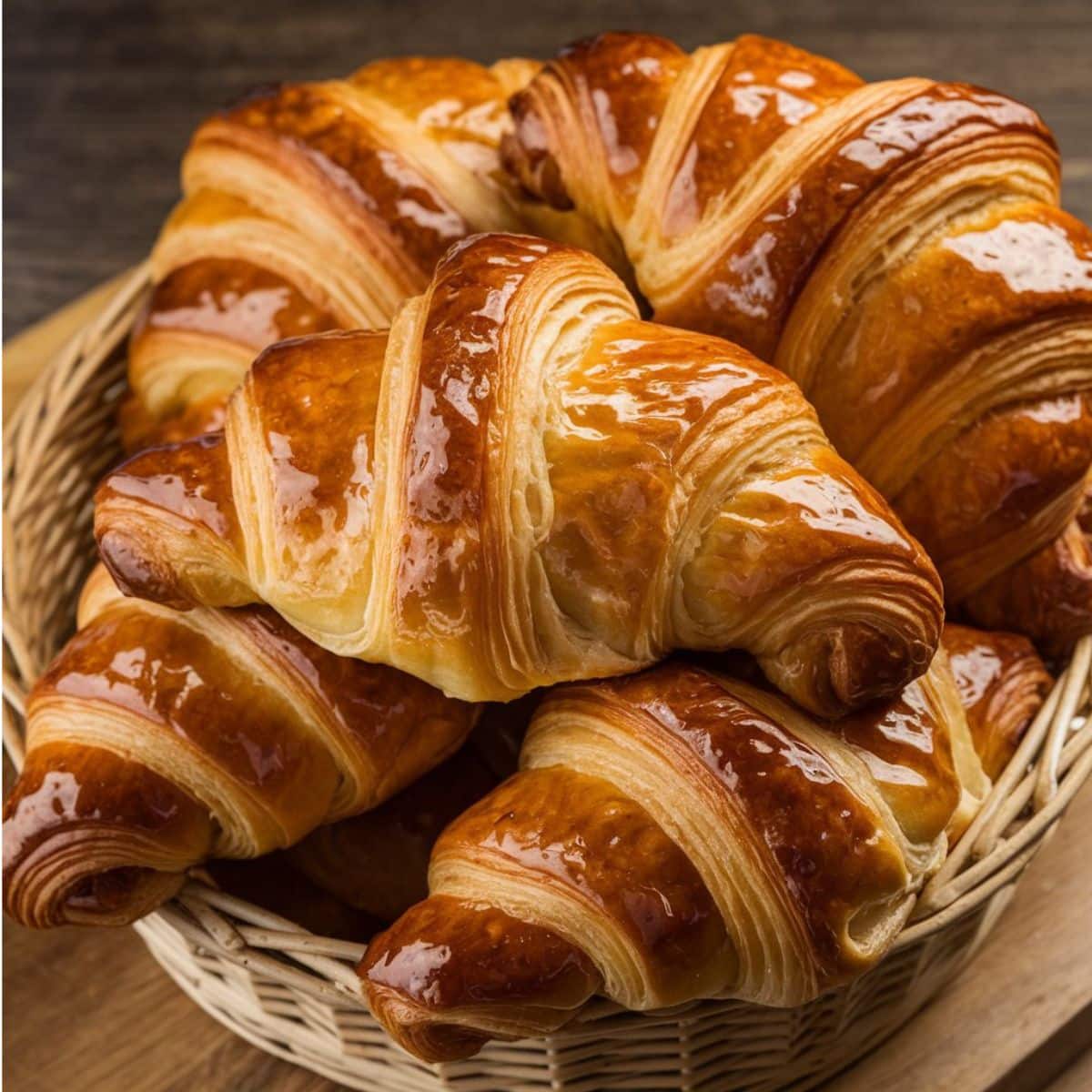
Experience the magic of homemade Gipfeli Recipe with this classic Swiss recipe that brings the bakery right to your kitchen! These buttery delights, known by locals as the perfect Swiss Gipfeli recipe, capture everything wonderful about Swiss breakfast pastries - they're crispier, more buttery, and just a touch smaller than their French croissant cousins.
Don't let their elegant appearance fool you! While making Gipfeli Recipe takes some time, most of it is just letting the dough rest in your fridge. Think of it as a relaxing weekend project with an incredibly delicious reward at the end. The lamination process (that's what creates those flaky layers) might sound fancy, but I'll guide you through each fold and turn.
There's nothing quite like pulling your own batch of Gipfeli Recipe from the oven - that crispy exterior giving way to soft, steamy layers within. Your kitchen will smell like a Swiss bakery, and these fresh-baked treasures will have everyone asking for your Gipfeli recipe!


You know what's cool? These aren't just any ordinary pastries! Gipfeli Recipe have been making breakfast awesome in Switzerland since way back. Think of them as the Swiss cousin of the French croissant - just as delicious but with their own special charm! They're a bit smaller and have this amazing flaky texture that just melts in your mouth.
Why You'll Love This Gipfeli Recipe
These homemade Gipfeli Recipe are fresher and more delicious than store-bought ones. While they take time to make, most of it is hands-off, and the result is absolutely worth it! Plus, you'll impress everyone with your baking skills!
Jump to:
Ingredients
the Dough:
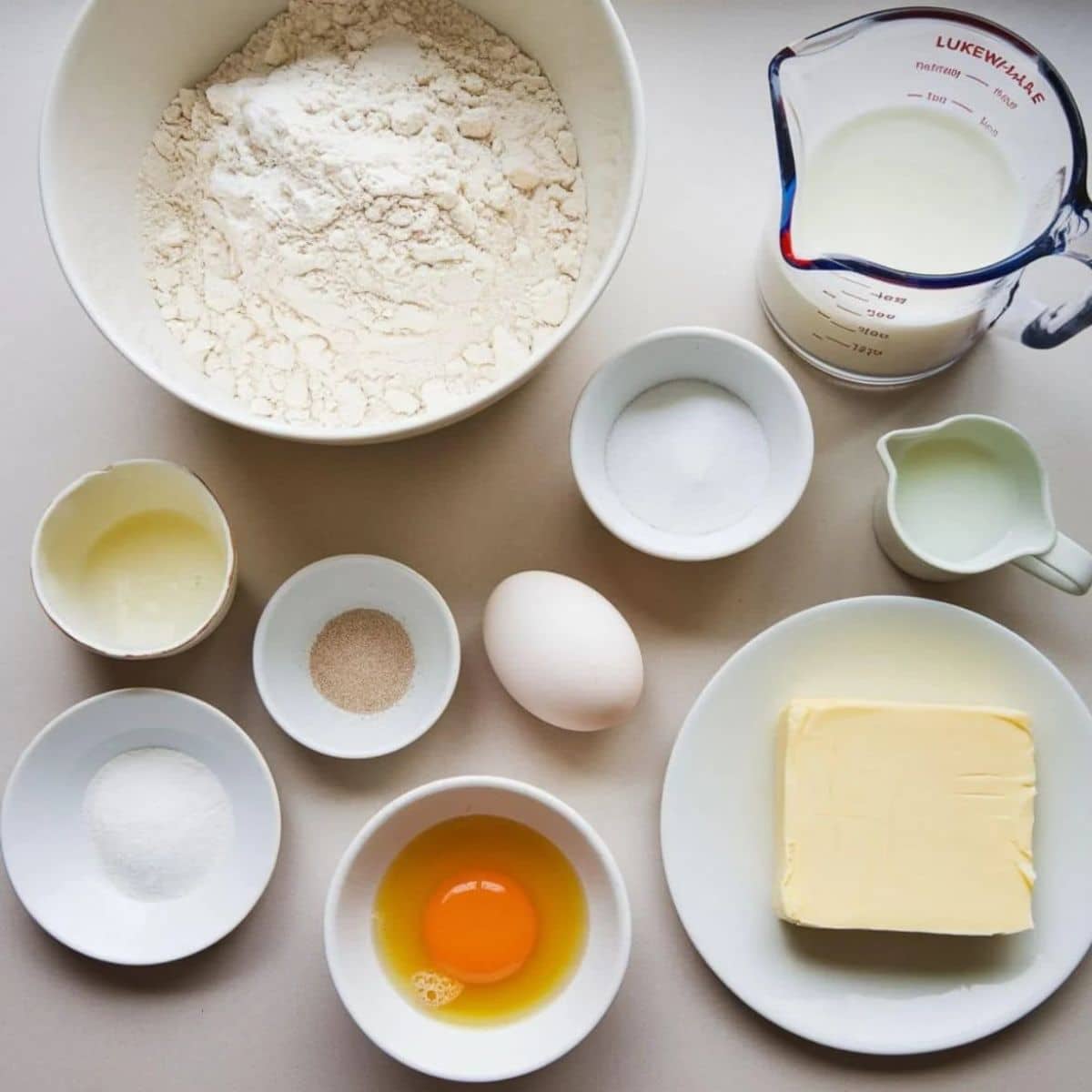
- 4 cups (500g) all-purpose flour ($1)
- 2 ¼ teaspoons (7g) active dry yeast ($0.50)
- ¼ cup (50g) sugar ($0.25)
- 1 ½ teaspoons salt ($0.10)
- 1 cup (240ml) lukewarm milk ($0.75)
- 2 large eggs (1 for dough, 1 for egg wash) ($0.50)
- ¼ cup (60g) softened butter ($1)
Laminating:
- 1 ½ cups (340g) cold butter ($4)
Egg Wash:
- 1 egg beaten with 1 tablespoon water
- Pinch of salt
Gipfeli Recipe Instructions:
Make the Base Dough (15 minutes)
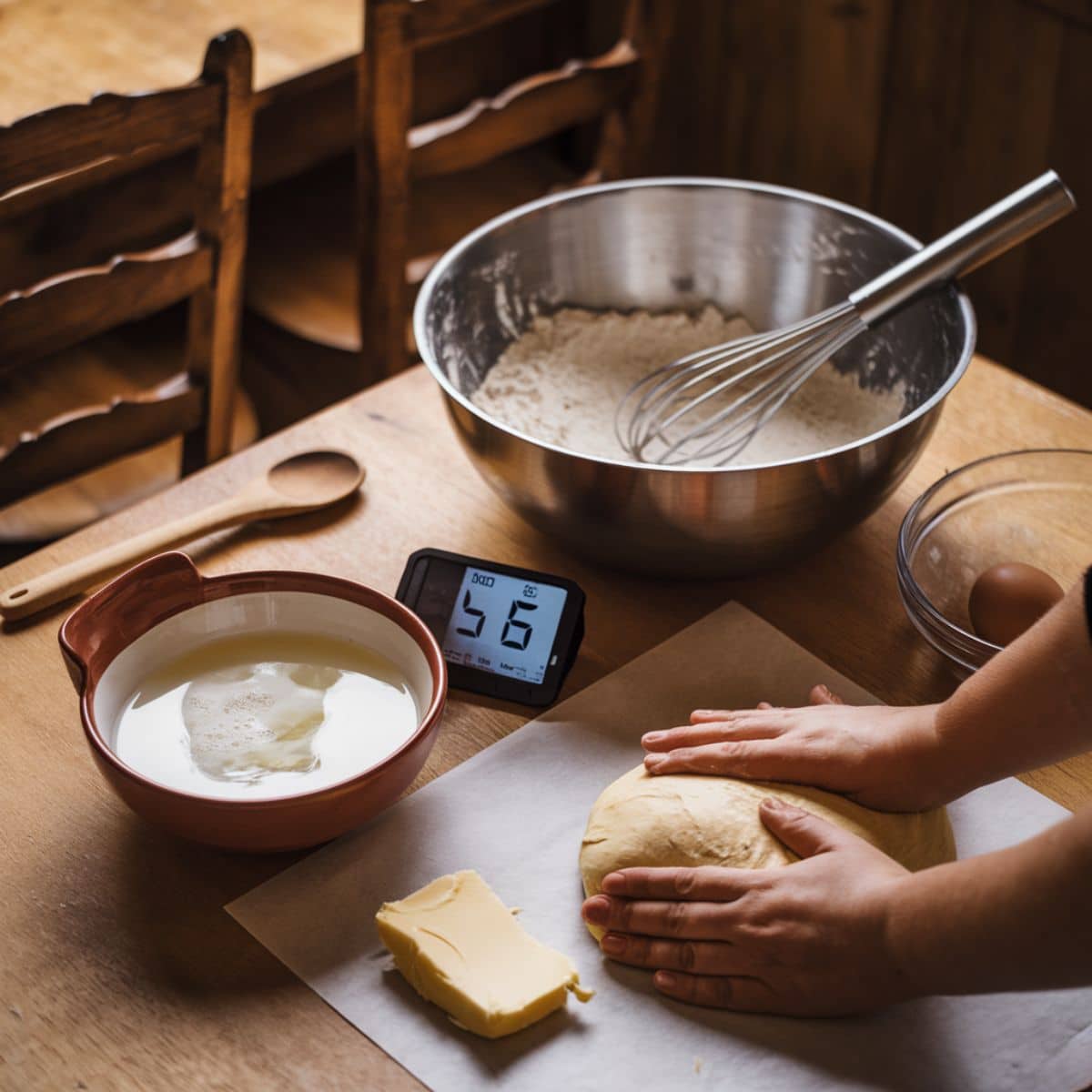
- Mix lukewarm milk with yeast and a pinch of sugar
- Let stand 5 minutes until foamy
- In a large bowl, mix flour, remaining sugar, and salt
- Add one beaten egg and the yeast mixture
- Mix until a shaggy dough forms
- Knead in softened butter until smooth (about 10 minutes)
- Form into a ball
First Rise (2 hours)
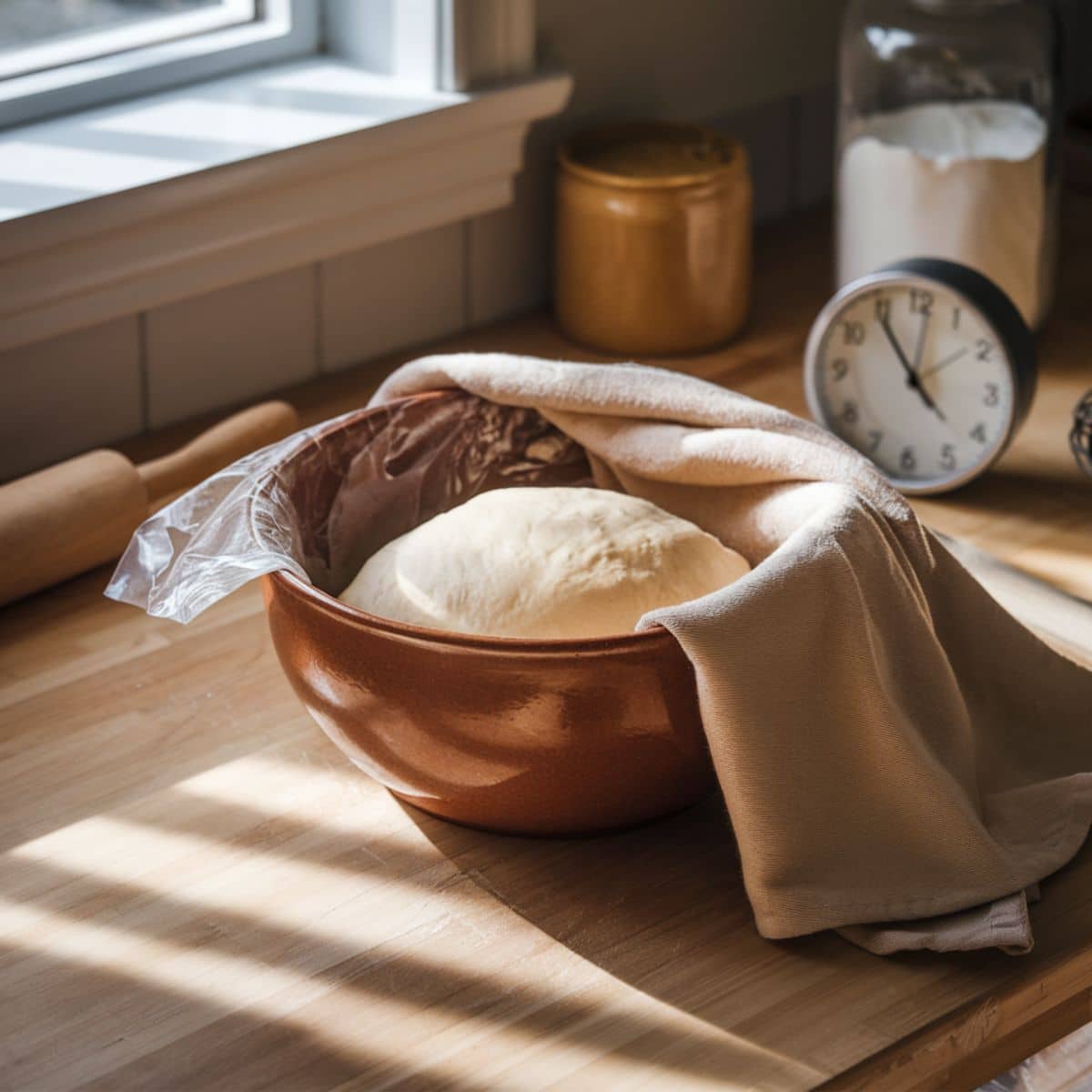
- Place dough in a clean bowl
- Cover with plastic wrap and a kitchen towel
- Let rise at room temperature until doubled (about 2 hours)
Prepare the Butter Block (10 minutes)
- Place cold butter between two pieces of parchment paper
- Pound and roll into an 8x8 inch square
- Keep cold until needed
Laminate the Dough (30 minutes + 6-8 hours resting)
- Roll dough into a 12x12 inch square
- Place butter block in the center at a 45-degree angle
- Fold corners of dough over butter like an envelope
- Roll into a 12x24 inch rectangle
- Fold into thirds like a letter
- Wrap and chill 2 hours
- Repeat rolling and folding two more times
- Chill overnight
Shape the Gipfeli (20 minutes)
- Roll dough into a 12x24 inch rectangle
- Cut into 12 triangles
- Stretch each triangle slightly
- Roll up from base to tip
- Form into crescents
- Place on lined baking sheets
Final Rise (1-2 hours)
- Cover shaped Gipfeli loosely
- Let rise until puffy (1-2 hours)
- Preheat oven to 400°F (200°C)
Bake (15-20 minutes)
- Brush with egg wash
- Bake until golden brown (15-20 minutes)
- Cool on wire rack
Pro Tips for Perfect Gipfeli Recipe
- Keep everything cold while working with the butter
- Don't skip the resting times
- Make sure butter is cold but pliable for laminating
- Use a ruler for even cuts
- Don't twist too tightly when shaping
Recipe Variations
- Add chocolate pieces before rolling for chocolate Gipfeli
- Sprinkle with almonds before baking
- Make them whole wheat by replacing ⅓ of the flour
- Add ham and cheese for savory version
Time-Saving Tips
- Prepare the dough in the evening
- Let it rest overnight in the fridge
- Shape and bake in the morning
- Make a double batch and freeze extras
FAQ
What is the difference between a croissant and a gipfeli?
While both are flaky pastries, Gipfeli Recipe(Swiss German for "little crescent") are distinctly different from French croissants. Gipfeli are typically smaller, denser, and less buttery than croissants. They feature a crispier exterior, tighter crumb structure, and often contain milk in the dough. Swiss Gipfeli also have sharper, more pointed ends compared to the gently curved shape of French croissants.
What are the ingredients in a croissant?
Traditional croissants require flour, active dry yeast, salt, sugar, cold butter, water, and milk. The key to authentic croissants lies in using high-quality European-style butter (at least 82% butterfat) for lamination. Additional ingredients may include egg wash (for shine) and diastatic malt powder (optional, for better browning). All ingredients should be kept cold during the lamination process.
What is a common mistake in croissants?
The most common mistake in making croissants is using warm or softened butter during lamination. This causes the butter layers to merge with the dough instead of creating distinct layers. Other frequent errors include rushing the folding process, not chilling between folds, using too much flour when rolling, and improper proofing temperatures. These mistakes result in dense, less flaky pastries.
What is the secret to a good croissant?
The secret to perfect croissants lies in temperature control and patience. Keep ingredients cold (especially butter) throughout the lamination process, maintain precise folding techniques to create multiple layers, and allow proper proofing time (usually 2-3 hours at room temperature). Using high-protein bread flour and European-style butter with at least 82% butterfat content is also crucial for achieving the ideal flaky texture.
HOW DID YOUR GIPFELI TURN OUT?
How did your Gipfeli Recipe turn out? Ready to savor something new? This recipe is sure to impress with its delicate buttery layers and perfectly crispy exterior that shatters at first bite. If you're a fan of artisanal pastries and European baking, be sure to try our Oreo Cupcake Recipe next - another easy-to-make yet delicious treat!
Did you make these Gipfeli? We'd love to hear about your experience! Leave a star rating and share your thoughts in the comments. Did you try any creative twists, like adding almond paste or chocolate chips? Maybe you sprinkled some seeds on top or experimented with different types of butter? Your feedback not only helps others but also contributes to our growing community of home cooks.
Don't forget to share a photo of your culinary creation! We love seeing those beautiful layers and golden-brown crescents. Each baker's Gipfeli has its own unique character, and we can't wait to see yours!
Easy Gipfeli Recipe
Equipment
- Large mixing bowl
- Rolling pin
- Baking sheets
- Parchment paper
- Pastry brush
- Sharp knife or pizza cutter
- Plastic wrap
- Clean kitchen towel
Ingredients
- 4 cups 500g all-purpose flour ($1)
- 2 ¼ teaspoons 7g active dry yeast ($0.50)
- ¼ cup 50g sugar ($0.25)
- 1 ½ teaspoons salt $0.10
- 1 cup 240ml lukewarm milk ($0.75)
- 2 large eggs 1 for dough, 1 for egg wash ($0.50)
- ¼ cup 60g softened butter ($1)
- 1 ½ cups 340g cold butter ($4)
- 1 egg beaten with 1 tablespoon water
- Pinch of salt
Instructions
Step 1: Make the Base Dough
- Mix lukewarm milk with yeast and a pinch of sugar
- Let stand 5 minutes until foamy
- In a large bowl, mix flour, remaining sugar, and salt
- Add one beaten egg and the yeast mixture
- Mix until a shaggy dough forms
- Knead in softened butter until smooth (about 10 minutes)
- Form into a ball
Step 2: First Rise
- Place dough in a clean bowl
- Cover with plastic wrap and a kitchen towel
- Let rise at room temperature until doubled (about 2 hours)
Step 3: Prepare the Butter Block
- Place cold butter between two pieces of parchment paper
- Pound and roll into an 8×8 inch square
- Keep cold until needed
Step 4: Laminate the Dough
- Roll dough into a 12×12 inch square
- Place butter block in the center at a 45-degree angle
- Fold corners of dough over butter like an envelope
- Roll into a 12×24 inch rectangle
- Fold into thirds like a letter
- Wrap and chill 2 hours
- Repeat rolling and folding two more times
- Chill overnight
Step 5: Shape and Bake
- Roll dough into a 12×24 inch rectangle
- Cut into 12 triangles
- Roll up from base to tip
- Form into crescents
- Let rise 1-2 hours
- Brush with egg wash
- Bake at 400°F (200°C) for 15-20 minutes until golden
Notes
- Keep the butter cold to ensure flaky Gipfeli.
- Always put flour on the table before kneading to prevent sticking.
- Roll the dough gently to maintain even thickness.



Ashley says
Just made these Gipfeli and they turned out amazing! The dough was so soft and buttery, and they baked to a perfect golden brown. My family couldn't stop eating them – they’re the perfect mix of light and flaky with a subtle sweetness. Will definitely be making these again!