
Last month when oliver came down with that awful cold that was making its way through his second-grade class, this creamy chicken noodle soup saved us. After two days of refusing almost everything I offered, he finally perked up when the aroma of this soup filled our kitchen. "Mom, is that the special soup?" he croaked from his blanket nest on the couch. Within minutes, he was at the table, actually eating a full bowl for the first time since getting sick.

What to Serve With Creamy Chicken Noodle Soup
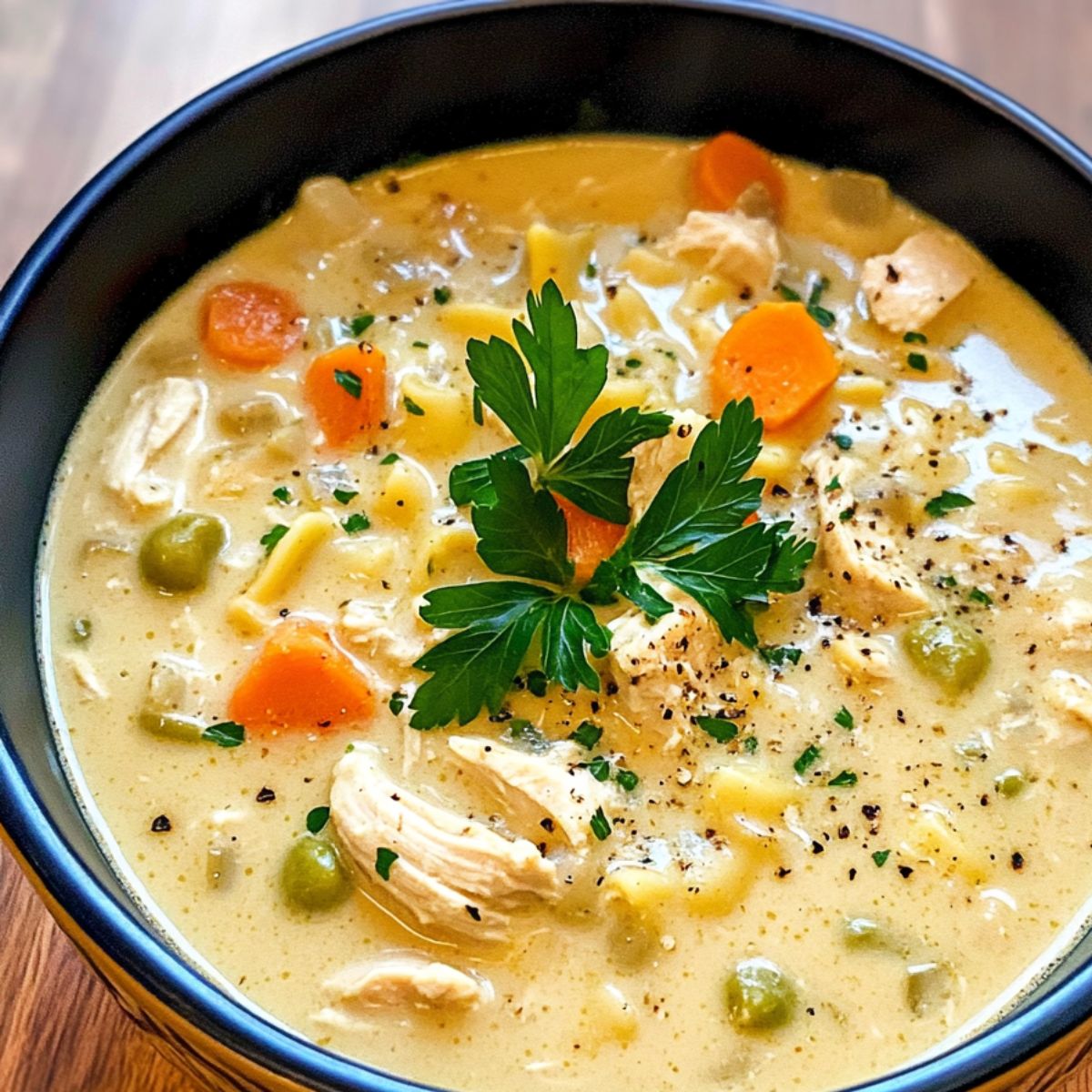
Finding the perfect companions for this soul-warming creamy chicken noodle soup has been a delicious journey of trial and error over countless family dinners and gatherings. While this creamy chicken noodle soup is certainly hearty enough to stand alone as a complete meal, pairing it with the right sides elevates the entire experience and satisfies even the heartiest appetites around our table.
Without question, some form of bread is the natural partner to creamy chicken noodle soup. The right bread brings texture contrast and serves as the perfect vehicle for soaking up every last drop of that velvety broth. In our house, preferences vary widely - my husband reaches for simple saltine crackers (a throwback to his childhood),oliver prefers fluffy buttermilk biscuits that he can break into pieces and drop into his bowl like dumplings, and I'm partial to a rustic sourdough with a crispy crust and tender interior. On busy weeknights, even a basic loaf of French bread from the grocery store bakery does the trick beautifully with our creamy chicken noodle soup.
Jump to:
- What to Serve With Creamy Chicken Noodle Soup
- Creamy Chicken Noodle Soup Ingredients
- How To Make Creamy Chicken Noodle Soup
- Storing Your Creamy Chicken Noodle Soup
- Equipment
- Creamy Chicken Noodle Soup Variations
- Substitutions
- Top Tip
- The Trick Only My Mother and I Knew (Now It's Yours Too)
- FAQ
- A Bowl of Comfort, Ready When You Need It
- Related
- Pairing
- Creamy Chicken Noodle Soup
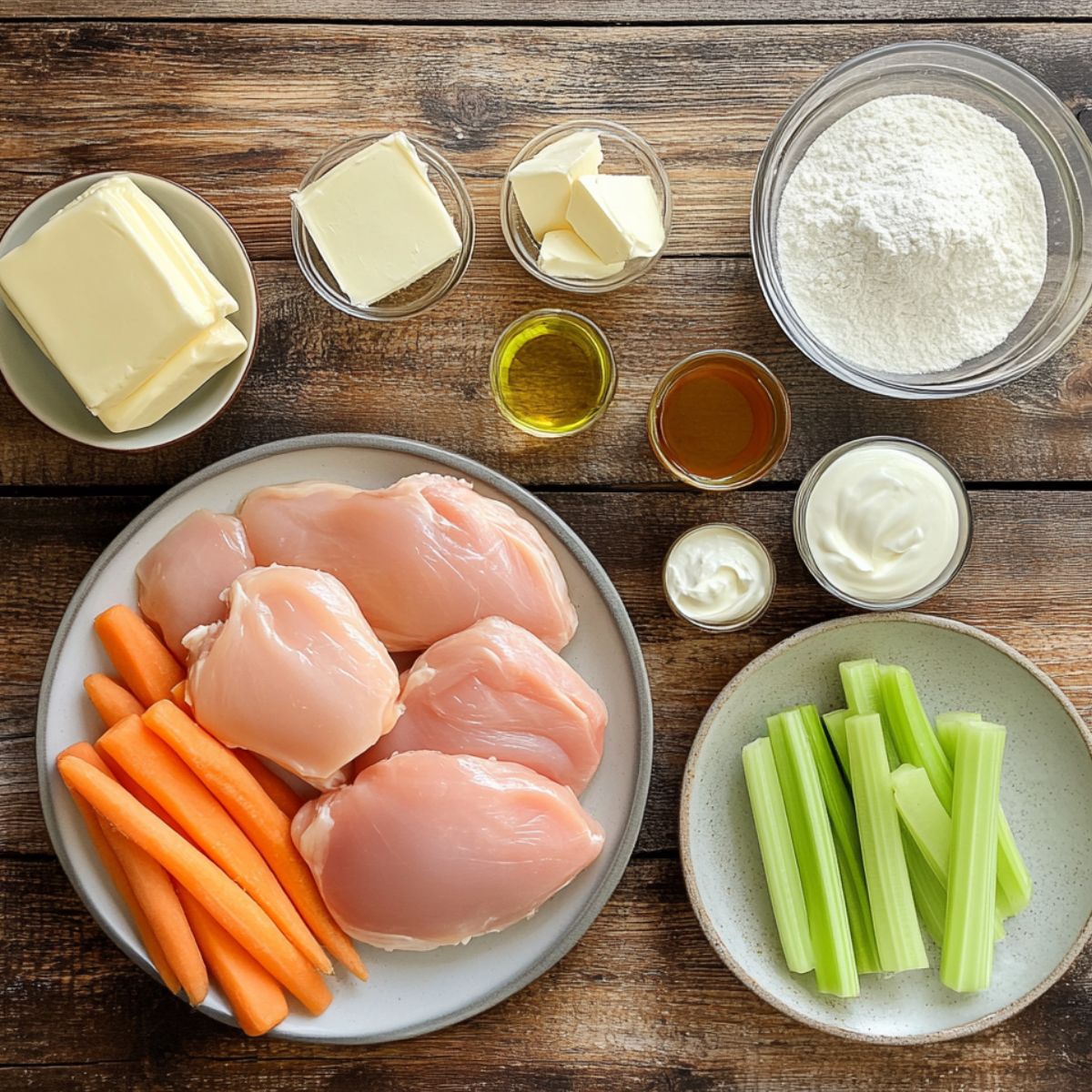
Creamy Chicken Noodle Soup Ingredients
The Foundation:
- Boneless chicken breasts or thighs
- Butter
- Olive oil
- Onion, diced
- Carrots, sliced into rounds
- Celery stalks, sliced
- Cloves garlic, minced
- Chicken broth
The Creaminess:
- Heavy cream
- All-purpose flour
- Optional: 2 ounces cream cheese for extra richness
The Flavor Boosters:
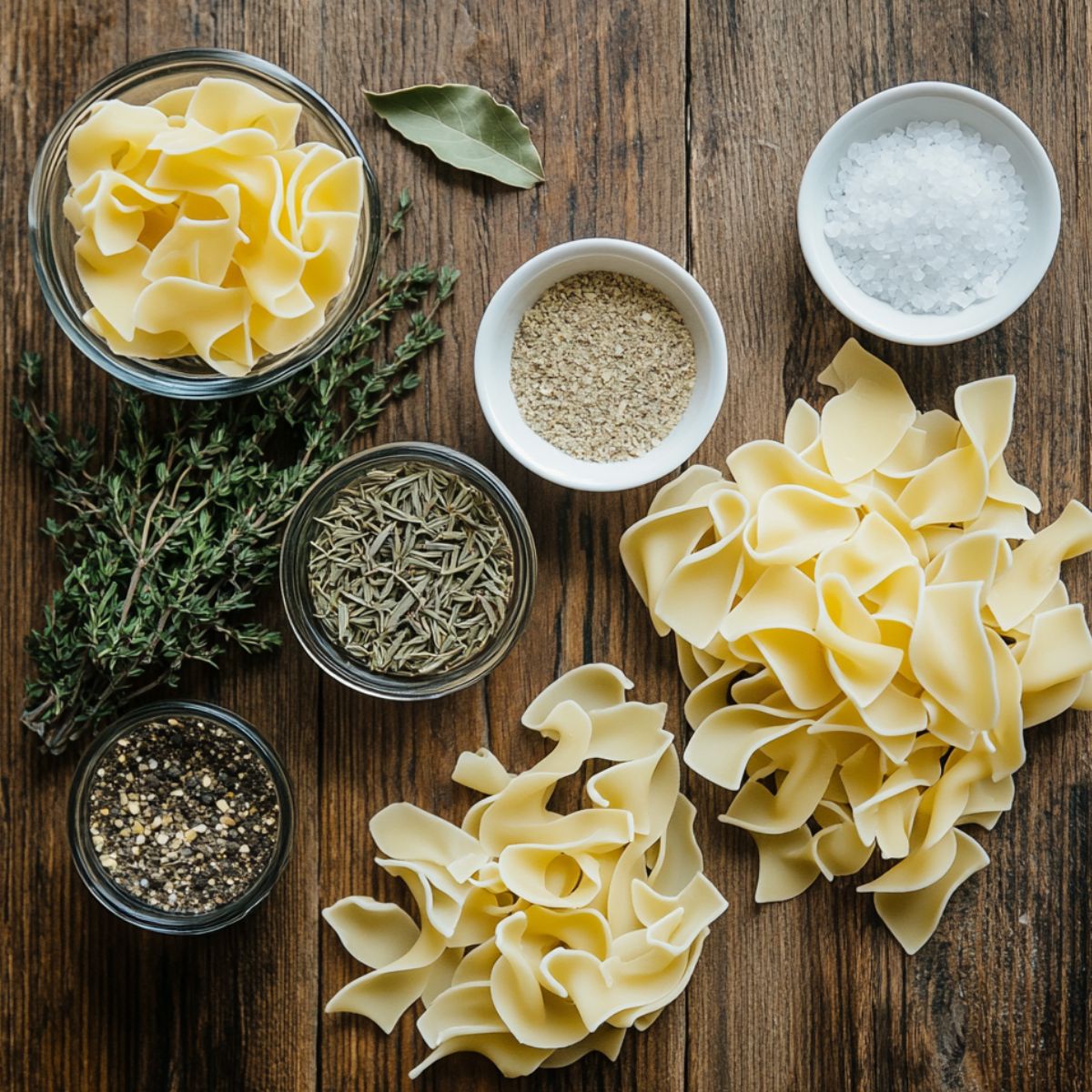
- Dried thyme
- Dried rosemary
- Bay leaf
- Pinch of nutmeg
- Salt and pepper to taste
- Fresh parsley for garnish
The Noodles:
- Ounces egg noodles
See recipe card for quantities.
How To Make Creamy Chicken Noodle Soup
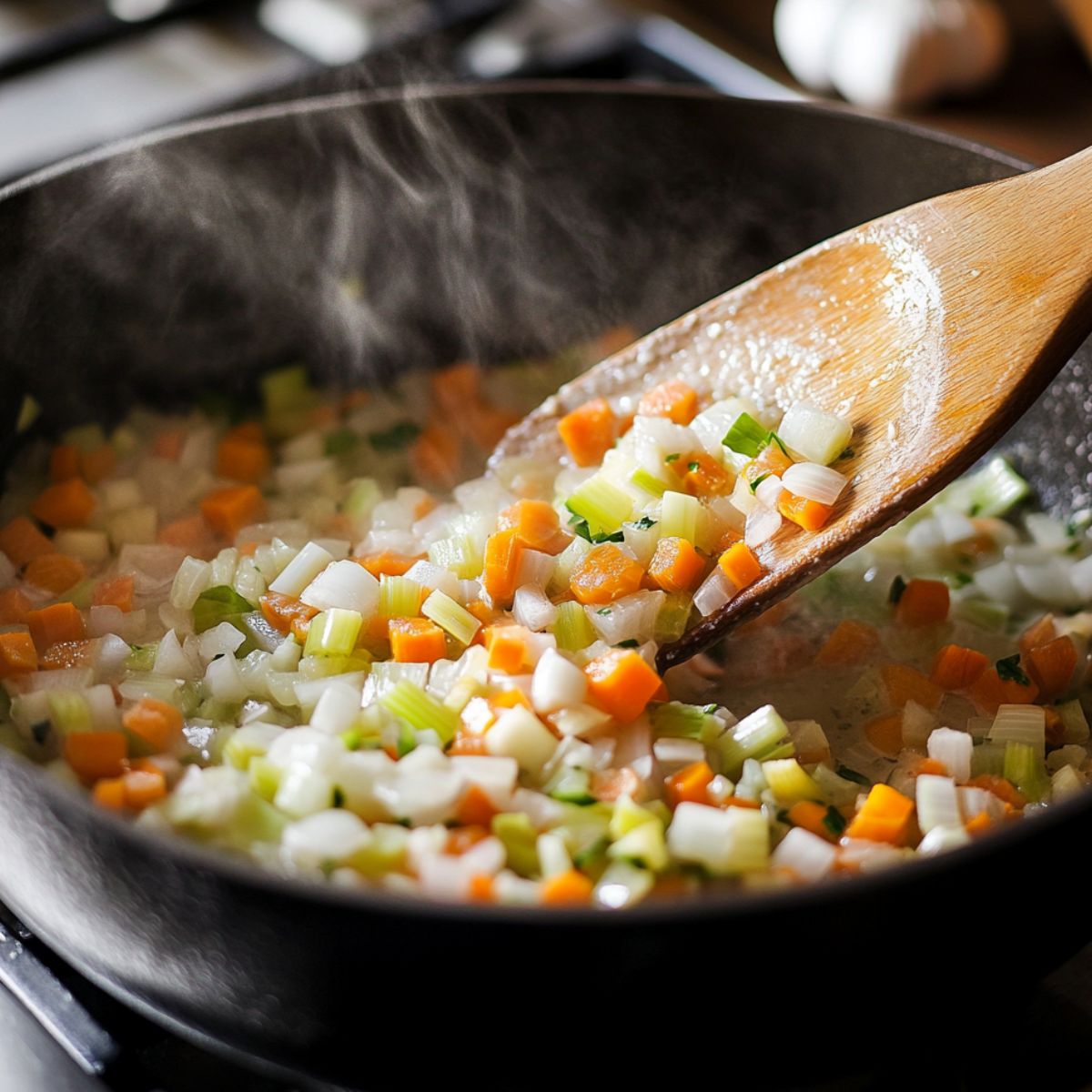
Begin with the Base:
- In a large Dutch oven or heavy pot, heat butter and olive oil over medium heat
- Add diced onion, carrots, and celery, cooking until softened (about 5-7 minutes)
- Add minced garlic and cook for 30 seconds until fragrant (don't let it brown!)
- Sprinkle flour over the vegetables and stir constantly for 1-2 minutes
Create the Broth:
- Slowly pour in chicken broth while whisking to prevent lumps
- Add raw chicken pieces, thyme, rosemary, bay leaf, salt, and pepper
- Bring to a gentle boil, then reduce heat to maintain a simmer
- Cook until chicken is completely done (about 15-20 minutes for breasts, 20-25 for thighs)
- Remove chicken and shred or dice it into bite-sized pieces
Add the Final Elements:
- Return chicken to the pot
- Add noodles and cook until just tender (timing depends on the type, usually 6-9 minutes)
- Reduce heat to low and stir in heavy cream and optional cream cheese
- Add pinch of nutmeg and adjust seasonings to taste
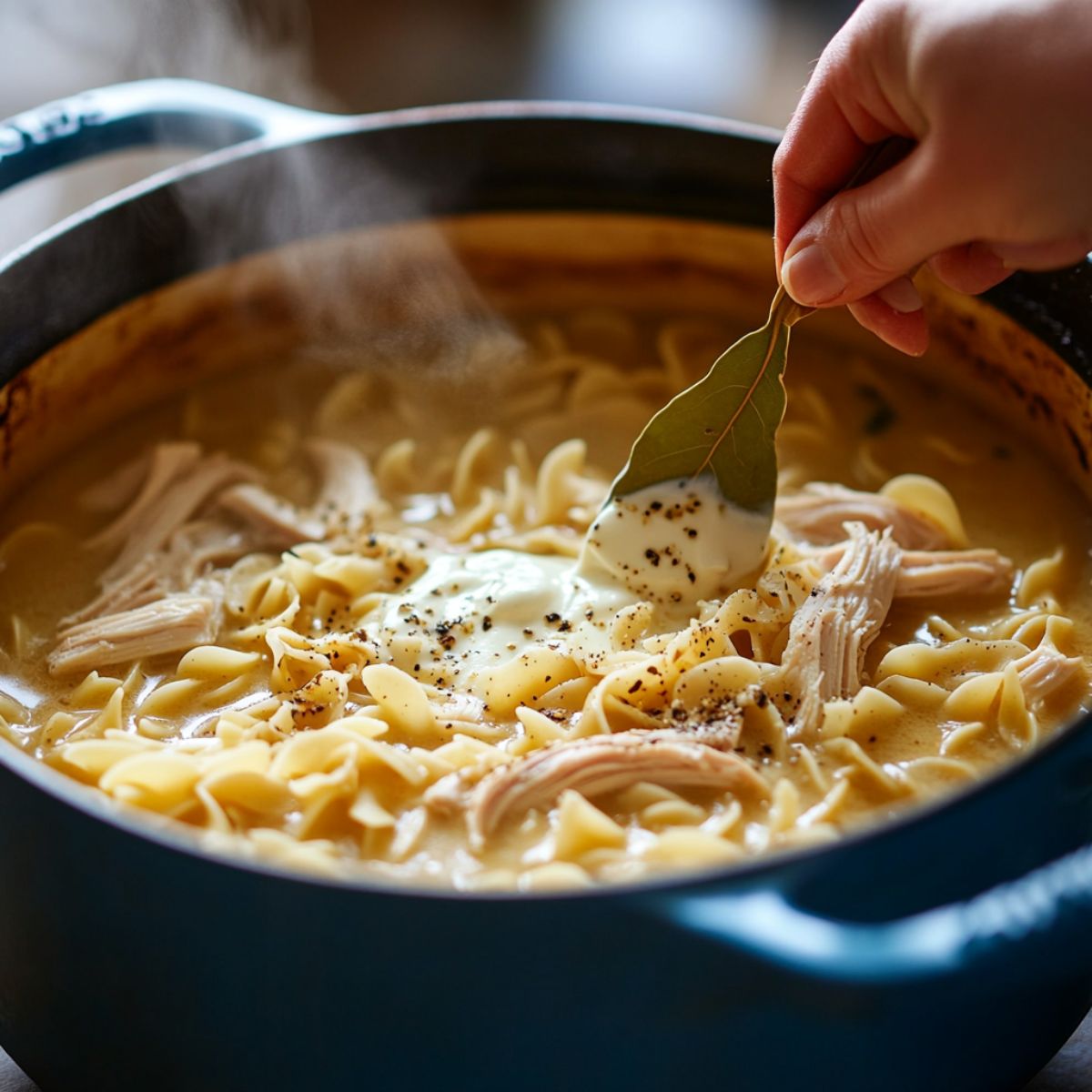
- Allow to simmer for 5 more minutes until slightly thickened (don't boil after adding cream!)
- Remove bay leaf before serving
Finishing Touches:
- Ladle into bowls while piping hot
- Sprinkle with fresh parsley
- Serve with crusty bread for dipping
Storing Your Creamy Chicken Noodle Soup
Refrigerator Storage (3-4 days):
- Allow soup to cool completely before refrigerating
- Store in airtight containers
- The soup will thicken considerably in the fridge - this is normal!
- If possible, store noodles separately from broth to prevent them from absorbing all the liquid
Freezer Magic (up to 3 months):
- For best results, freeze WITHOUT the noodles or cream
- Freeze the broth, vegetables, and chicken
- When ready to serve, thaw completely
- Bring back to a simmer, add fresh noodles, and stir in cream
Equipment
Essential Equipment:
- Large Dutch oven or heavy-bottomed pot
- Sharp knife for prepping vegetables and chicken
- Sturdy cutting board
- Wooden spoon for stirring
- Measuring cups and spoons
- Ladle for serving
Nice-to-Have Extras:
- Whisk
- Kitchen shears
- Microplane grater
- Soup bowls with some depth
- Good quality thermos for leftovers or lunch packing
Creamy Chicken Noodle Soup Variations
Over the years of making this creamy chicken noodle soup for my family, we've created these delicious variations:
Loaded Baked Potato Style:
- Add diced potatoes with the vegetables
- Use bacon fat instead of butter
- Stir in crumbled bacon before serving
- Top with shredded cheese and green onions
- Serve with a dollop of sour cream
Herb Garden Fresh:
- Add fresh herbs instead of dried (triple the amounts)
- Stir in a handful of baby spinach at the end
- Finish with a drizzle of herb oil
- Garnish with microgreens
- Serve with herb-crusted bread
Southwest Inspired:
- Add corn kernels and diced bell peppers
- Stir in diced green chiles
- Season with cumin and a pinch of chili powder
- Top with diced avocado and cilantro
- Serve with lime wedges and tortilla strips
Lemon Rosemary Upgrade:
- Double the rosemary
- Add lemon zest with the vegetables
- Finish with fresh lemon juice
- Use shredded rotisserie chicken
- Garnish with extra black pepper
Substitutions
Protein Swaps:
- Chicken breasts → Chicken thighs (more flavor but slightly longer cooking time)
- Fresh chicken → Rotisserie chicken (add cooked, shredded chicken after the broth is ready)
- Chicken → Turkey (perfect after Thanksgiving!)
- Chicken → White beans for a vegetarian version (use vegetable broth too)
Cream Options:
- Heavy cream → Half-and-half (lighter but still creamy)
- Heavy cream → Evaporated milk (great pantry substitution)
- Standard method → Add cream cheese for extra richness
- Dairy cream → Coconut cream for dairy-free (adds subtle sweetness)
- Flour → Cornstarch for gluten-free thickening
Noodle Variations:
- Egg noodles → Rotini or farfalle (hold their shape well)
- Regular noodles → Gluten-free pasta (add a few minutes to cooking time)
- Noodles → Tortellini for an extra-special version
- Noodles → Rice for a different texture
- Traditional → Whole wheat for added nutrition
Vegetable Add-ins:
- Standard mirepoix → Add mushrooms for earthiness
- Basic mix → Frozen peas added at the end
- Traditional → Add baby spinach in the final minutes
- Summer version → Fresh corn kernels
- Winter version → Diced sweet potatoes (add with other vegetables)
Top Tip
I stumbled on my biggest creamy chicken noodle soup breakthrough entirely by accident. Three winters ago, when our entire family had that awful flu going around, I was making yet another pot of chicken soup. Barely functioning with a fever myself, I forgot to turn down the heat before adding the cream. Within seconds, those little unappealing flecks appeared as the cream separated in the too-hot broth. In desperation, I called my mom at 9pm, and she talked me through "tempering" the cream - a technique I'd never heard of despite decades of cooking.
"Pour a little hot broth into the cold cream first, sweetheart," she explained patiently. "Then add that mixture back to the pot." Such a simple fix, but it transformed my soup game forever. Now I always put the cream in a measuring cup, whisk in a ladleful of hot broth, and then pour it all back into the pot. The result is this silky, velvety texture that makes store-bought soup pale in comparison.
The Trick Only My Mother and I Knew (Now It's Yours Too)
I never could figure out why my mother's creamy chicken noodle soup tasted so much better than anyone else's. Growing up, it was the dish everyone requested when they visited, the cure-all for sick days, and the comfort food that could make even teenage heartbreak seem manageable. When I left for college, that soup was what I missed most about home - more than my bedroom or even our family dog. I tried for years to replicate it exactly, following her recipe card to the letter, but something was always missing.
On a cold February evening during my first year of marriage, I called Mom in tears. It had been a brutal week - new job struggles, apartment flooding issues, and a bout with the flu. All I wanted was her creamy chicken noodle soup, that taste of home and security. After listening to my tearful attempts to recreate her recipe, she got quiet for a moment. "Sarah, there's something I've never written down on the creamy chicken noodle soup card," she finally said. "My mother shared it with me, and her mother before her. It's our family's little secret." I remember sitting up straighter, feeling like I was about to be initiated into some culinary secret society.
FAQ
What makes creamy chicken noodle soup creamy?
The velvety texture comes from a combination of three elements: a simple roux (the butter and flour mixture), heavy cream, and the starch released from cooking the noodles directly in the broth. For an extra-rich version, I sometimes add 2 ounces of cream cheese, which melts into the broth creating exceptional creaminess. The key is adding the cream at the very end and not letting the soup boil after it's added - gentle heat prevents the dairy from separating.
What makes soup creamier?
When I want to enhance the creaminess without adding more cream, I use an old trick from my grandmother: puree a cup of the soup (vegetables, broth and all) in a blender, then stir it back into the pot. This creates body and silkiness without additional dairy. Another method is cooking the noodles directly in the broth rather than separately - the starch they release naturally thickens the soup. For ultimate richness, a couple tablespoons of cream cheese works wonders!
What is the secret to good chicken soup?
After making hundreds of pots of chicken soup, I've found three non-negotiable elements: build a proper flavor base by sautéing the vegetables until soft but not browned; use good-quality broth (homemade is amazing, but there are excellent store-bought options); and don't overlook the power of fresh herbs added at the end. The most overlooked secret is probably time - allowing the soup to simmer gently develops complexity that rushing simply can't create. When oliver asks why my soup tastes better than school lunch soup, I tell him it's because ours is made with patience.
What can I add to my chicken soup to make it taste better?
When a pot of soup needs a flavor boost, I turn to these tricks: a splash of acid like lemon juice or a few drops of vinegar (this wakes up all the flavors), a parmesan rind simmered in the broth, a dash of fish sauce for umami depth (you won't taste fish, promise!), or fresh herbs added at the end. The most transformative addition is a tiny pinch of nutmeg in creamy versions - it adds warmth without being identifiable. If your soup tastes flat, it usually needs salt, acid, or both - not more cream or butter.
A Bowl of Comfort, Ready When You Need It
This Creamy Chicken Noodle Soup has seen our family through sniffles and celebrations, snow days and sick days, and countless ordinary Tuesdays when we needed something warm and nourishing to gather around. There's something almost magical about how a simple pot of soup can transform grocery staples into pure comfort - the kind that wraps around you like a warm blanket on a cold evening.
Looking for more family-tested comfort foods that never disappoint? Our Easy Cheesy Garlic Chicken Wraps transform simple ingredients into a meal that disappears in minutes - perfect for busy weeknights or quick lunches. When you need a complete one-dish dinner, our Easy Cheesy Chicken Broccoli Rice Casserole combines tender chicken, fresh vegetables, and creamy cheese sauce for a meal that even vegetable-skeptics devour. And for something special that tastes like you spent hours in the kitchen, our Easy Honey Garlic Pork Tenderloin creates a caramelized glaze that has everyone reaching for seconds.
Don't forget to share your creamy chicken noodle soup creations with us!Let us know how you made it your own. As my mother always says, the best recipes aren't just about ingredients - they're about creating memories around the table.
Rate this Creamy Chicken Noodle Soup and join our cooking community!
Related
Looking for other recipes like this? Try these:



Pairing
These are my favorite dishes to serve with Creamy Chicken Noodle Soup




Creamy Chicken Noodle Soup
Equipment
- Dutch oven or pot (Heavy-bottomed recommended)
- Sharp knife (For prepping chicken and veggies)
- Cutting board (Sturdy)
- Wooden spoon (For stirring)
- Whisk (To help avoid lumps)
- Ladle (For serving)
- Measuring set (Cups and spoons)
- Microplane grater (Optional, for nutmeg)
Ingredients
- 1 tablespoon Butter
- 1 tablespoon Olive oil
- 1 Onion - Diced
- 2 Carrots - Sliced into rounds
- 2 Celery stalks - Sliced
- 3 cloves Garlic - Minced
- ¼ cup All-purpose flour
- 8 cups Chicken broth - Low-sodium preferred
- 1-1.5 lbs Chicken - Breasts or thighs, boneless
- ½ teaspoon Dried thyme
- ½ teaspoon Dried rosemary
- 1 Bay leaf - Remove before serving
- 1 pinch Nutmeg - Optional, adds warmth
- Salt and pepper - To taste
- 1 cup Heavy cream - Or substitute (see notes)
- 2 oz Cream cheese - Optional, for extra richness
- 6 oz Egg noodles - Or preferred pasta
- Fresh parsley - For garnish
Instructions
- Sauté onion, carrots, and celery in butter and olive oil until softened.
- Add minced garlic, then sprinkle in flour and stir to form a roux.
- Gradually whisk in chicken broth and add seasonings and chicken. Bring to a boil, then simmer.
- Cook chicken until done, remove, and shred or dice.
- Return chicken to pot and cook noodles until tender.
- Temper and add cream, optional cream cheese, and nutmeg. Simmer gently.
- Remove bay leaf, garnish with parsley, and serve.




Leave a Reply